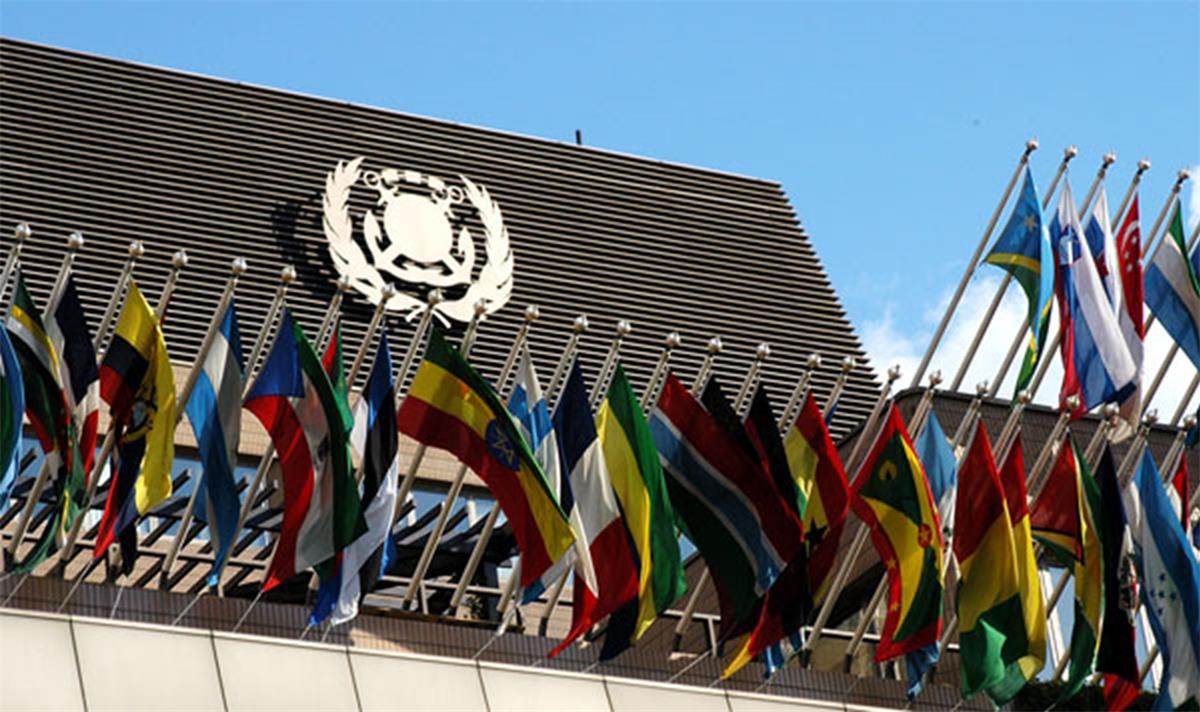
London, England – (May 5, 2026) — Discussions at the 84th session of the International Maritime Organization’s Marine Environment Protection Committee (MEPC) underscore a fundamental point: long-term emissions reduction in the maritime sector will not be achieved through fuels and policy alone, but through how well ships and infrastructure are maintained over their full-service life.
Corrosion prevention, asset integrity, and lifecycle management are essential to delivering meaningful, sustained progress toward global sustainability goals. As a non-governmental organization (NGO) participating in the IMO, the Association for Materials Protection and Performance (AMPP) contributes technical expertise and global standards to ensure these critical elements are recognized within the international regulatory dialogue.

While progress on a global Net Zero Framework continues, the ongoing dialogue highlights the need for practical, scalable solutions that deliver measurable performance improvements today.
“Corrosion prevention is one of the most immediate and cost-effective tools available to improve efficiency and reduce emissions,” said Jennifer Merck, Vice President of Maritime and Defense at AMPP. “Extending the service life of vessels, reducing
unplanned maintenance, and minimizing rework directly lowers lifecycle costs and the environmental footprint of maritime operations.”
At MEPC 84, continued deliberations on greenhouse gas reduction measures highlighted the complexity of achieving global alignment. AMPP, the leading global authority in materials protection and performance, notes that integrating asset integrity practices such as proper surface preparation, high-performance coatings, and qualified inspection can deliver measurable gains today, even as longer-term frameworks are still under development.
The Committee also confirmed progress toward a standalone biofouling convention, a development AMPP views as closely aligned with its mission. Effective biofouling management depends heavily on coating system performance and hull condition, both of which are directly influenced by corrosion control practices. Poor coating performance can lead to increased drag, higher fuel consumption, and accelerated structural degradation.
“A well-maintained coating system is not just a maintenance issue; it is an energy efficiency and emissions issue,” Merck noted. “When corrosion is not properly managed, the industry pays for it twice: once in higher operating costs and again in increased environmental impact.”
As Member States continue to evaluate pathways toward decarbonization, AMPP emphasizes that asset integrity must be part of the solution set. A global framework that overlooks corrosion management risks higher lifecycle costs and missed opportunities for efficiency gains. Conversely, embedding corrosion prevention into regulatory and operational strategies supports longer asset life, improved reliability, and lower cumulative emissions.
AMPP remains committed to supporting the maritime industry through standards development, workforce training, and technical expertise that enhance asset reliability, reduce lifecycle costs, and contribute to long-term environmental goals.
To learn more about ways AMPP protects maritime infrastructure, visit Protect Maritime Infrastructure with Targeted Corrosion Control Strategies - AMPP.
ABOUT AMPP
The Association for Materials Protection and Performance (AMPP) is a global leader dedicated to the protection of assets and the performance of industrial and natural materials. Established in 2021, AMPP brings together nearly 150 years of combined expertise from legacy organizations to advance solutions that enhance safety, security, and sustainability across industries. Serving more than 41,000 members in over 150 countries, AMPP is the largest organization of its kind, providing innovative standards, certifications, training, and resources. Headquartered in the United States with offices in Houston and Pittsburgh, AMPP also operates regional offices in Brazil, Canada, China, Dubai (training center), Malaysia, Saudi Arabia, and the United Kingdom. www.ampp.org